Friday 29th May, 2026
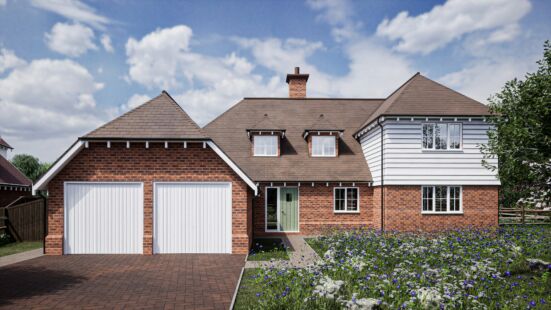
Yes, a garage can add value to a house, but the amount depends on where you live, what you build and how useful the space is to future buyers. Homebuilding & Renovating suggested a garage may boost a home’s value by around 5% to 10%, with the biggest uplift usually seen in areas where off-street parking is limited.
So, if you are asking “does a garage add value to a house?”, the honest answer is: often, yes, but not automatically. A garage is most likely to add value when it solves a real problem, such as lack of parking, limited storage or the need for secure workspace. This guide looks at how much value a garage may add, where it makes the biggest difference, and how to make the project more appealing to buyers.
It is estimated that a garage can add around 5% to 10% to a property’s value. However, this should be treated as a guide rather than a guaranteed return.
The UK House Price Index shows the average UK property price was £268,132 in March 2026. If a garage added 5% to 10%, that would equal roughly £13,400 to £26,800 on an average-priced home.
| Property value | 5% uplift | 10% uplift |
| £250,000 | £12,500 | £25,000 |
| £350,000 | £17,500 | £35,000 |
| £500,000 | £25,000 | £50,000 |
The actual return will depend on the property, the garage type, local parking demand and the total project cost.
A garage is often most valuable where parking is difficult. This includes narrow streets, permit-controlled areas, commuter towns and neighbourhoods where households own more than one car.
For buyers, a garage offers secure off-street parking and removes the daily stress of finding a space. It can also protect vehicles from weather damage and provide extra security for classic cars, motorbikes or work vans.
Many buyers value a garage for storage as much as parking. It can be used for bikes, garden tools, DIY equipment, sports gear, seasonal items and household overflow.
For rural homes, the storage benefits may be even greater. A garage can provide secure space for gardening machinery, land maintenance tools, equestrian equipment or outdoor work gear.
A garage can also work as a practical hobby space or workshop. This is useful for homeowners who enjoy DIY, vehicle maintenance, gardening, cycling or hands-on projects.
This is where timber garages can be especially appealing. Vale Stables’ timber garages are designed for vehicle storage as well as workspace use, making them suitable for homeowners who want more than a basic parking bay.
As electric vehicle ownership grows, home parking is becoming more important. The RAC Foundation found that cars and vans in England are parked at home for 73% of the time, making domestic parking useful for future charging convenience.
A garage or private parking area can make it easier to plan for lighting, sockets or future EV charging access.
A garage is likely to add the most value in areas where parking is limited or highly valued.
In urban and suburban areas, garages tend to be more desirable where streets are narrow, on-street parking is competitive, permits are required or buyers expect secure parking. They can also appeal to households with more than one vehicle or those wanting the option to charge an EV at home.
London is a clear example of parking pressure. 65% of Britain’s households have, or could have, enough off-street parking for at least one car or van. However, this varies by region: Wales 75%, England 68%, Scotland 63% and London just 44%.
Where fewer homes have off-street parking, a garage or private parking space can become a stronger selling point.
In rural areas, the value may come less from parking scarcity and more from practical use. A garage can provide secure storage, workshop space, classic vehicle storage, horsebox storage, gardening equipment storage or a covered area that suits the character of the property.
A garage may add value, but return on investment depends on how much the project costs.
A simple ROI formula is:
Estimated garage ROI = added resale value minus total project cost
Or:
ROI % = (estimated value added – total cost) ÷ total cost × 100
Total cost should include more than the garage structure itself. Homeowners may need to account for:
The best return usually comes from a garage that is practical, proportionate and suited to the property. An expensive garage may not return its full cost if it is overbuilt for the area, while a cheaper structure may be less appealing if it looks temporary or poorly finished.
A garage is likely to offer the best return when local buyers genuinely want parking, storage or flexible outdoor space.
It also helps if the garage looks permanent and well built. A durable structure with lockable doors, good proportions and a design that suits the home is more likely to feel like an asset. Vale Stables says its timber garages are available in traditional or bespoke designs and are built with pressure-treated timber, helping homeowners create a structure that feels considered rather than added as an afterthought.
A garage that has more than one use can also appeal to more buyers. If it can work as vehicle storage, a workshop, a bike store, garden machinery store or hobby space, it becomes more flexible and therefore more useful.
The style matters too. A carriage house-style timber garage may suit countryside, equestrian, period or larger homes better than a standard concrete garage, especially where kerb appeal is important.
A garage is usually best for security, weather protection, storage, classic cars, tools and high-value equipment.
A carport may be better for homeowners who want lower-cost covered parking and easy access, while still protecting a vehicle from rain, frost and sun.
A timber workshop garage is ideal for flexible use, combining parking with space for DIY, gardening equipment, bikes, machinery or hobbies.
A carriage house can work well for character properties, rural homes and larger plots, particularly where appearance and kerb appeal matter.
Explore Vale Stables’ timber garages, carports and carriage houses to find a structure that suits your home and how you plan to use the space.
Some garages and outbuildings may fall under permitted development, provided they meet the relevant limits and conditions. However, planning rules depend on the size, height, position and use of the building.
Homeowners should consider the garage’s height, location, distance from boundaries, whether the property is listed or on designated land, and whether the garage is for incidental domestic use. Building regulations may also apply, especially if electrics, drainage or habitable use are involved.
Always check with your local authority before starting work.
To maximise value, choose the right size for modern vehicles, storage needs and future uses. A garage that is too cramped may be less appealing to buyers.
Access is also important. A garage is more useful if it is easy to drive into, walk into and use every day. Secure doors and windows can improve buyer confidence, particularly if the space will store tools, bikes or equipment.
Electrics can also make the garage more practical. Lighting, sockets and future EV charging routes can help the building feel more useful long term.
Finally, match the garage to the style of the property. Timber design, carriage house styling and bespoke options can help the garage feel like part of the home rather than an afterthought.
Yes, a garage can add value to a house, especially where secure off-street parking is limited or where buyers want flexible storage and workspace. However, the best return comes from matching the garage to the property, the local market and the likely buyer.
A well-designed timber garage, carport or carriage house can improve everyday practicality, add kerb appeal and make the property more attractive when it comes time to sell.
Planning a garage, carport or workshop? Speak to Vale Stables about a bespoke timber building designed around your property, vehicle and storage needs.
Yes, a garage can add value to a house, particularly in areas where off-street parking is limited. The amount depends on local demand, build quality, property value and total project cost.
A commonly cited estimate is around 5% to 10%, although this varies by location and garage type. On a £350,000 property, that would be roughly £17,500 to £35,000 before deducting build costs.
A garage can offer more value than a driveway if buyers want secure parking, weather protection, storage or workshop space. A driveway may be enough where parking is easy and storage is less important.
A well-built timber garage can add value if it improves parking, storage, security or kerb appeal. It is most effective when the design suits the property and the structure is durable and practical.
Some garages and outbuildings may fall under permitted development, but only if they meet the relevant limits and conditions. Homeowners should check Planning Portal guidance and confirm with their local planning authority before work begins.
