Wednesday 22nd July, 2026
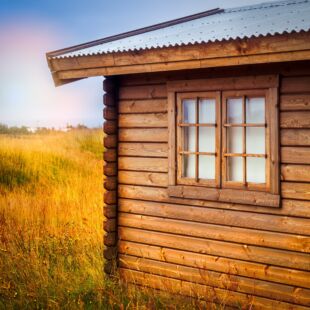
Summer houses can quickly become cold once temperatures fall, particularly when they have thin walls, doors that cause draughts or an uninsulated floor. If you’ve been wondering how to heat a summer house in winter, there are a few ways. However, the best way is to reduce heat loss through insulation and draught-proofing before installing a suitable heater.
Although it sounds simple, the correct solution depends on a few factors, such as the following:
At Vale Stables, we’ve been installing summer houses and outbuildings for a variety of both residential and commercial customers, so we know a thing or two about keeping them warm throughout the winter! Read on to learn more about our top tips and how to insulate it yourself.
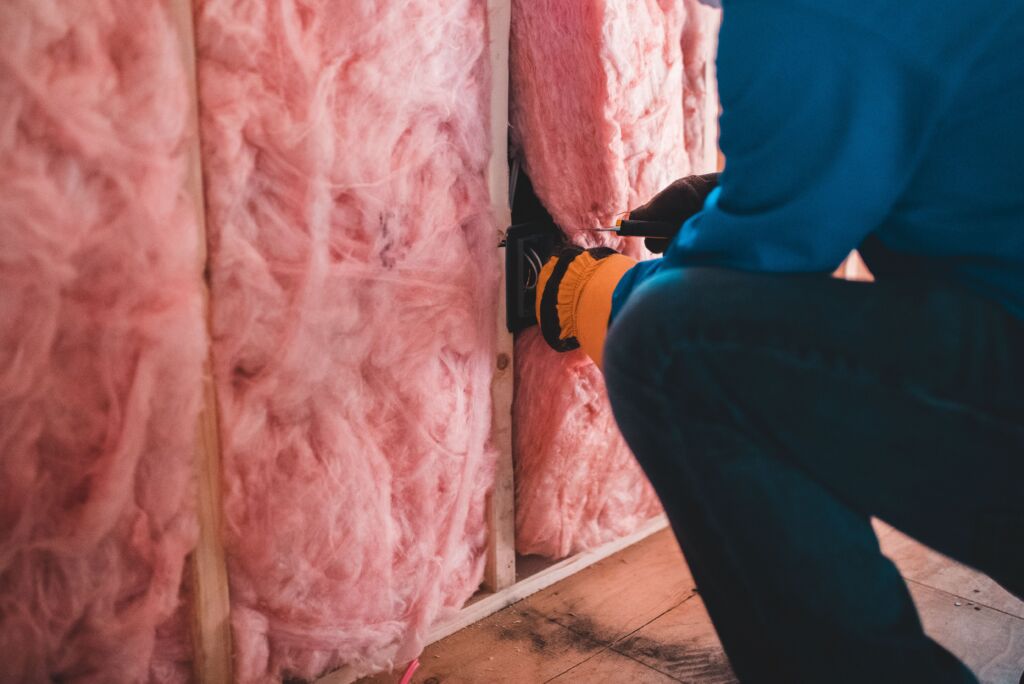
Before even beginning to think about how to heat your summer house with electricity, you must insulate it to ensure the heat actually remains throughout the colder months. If there is no insulation and you are simply relying on a powerful heater, it will not be effective if warmth immediately escapes through the roof, floor and walls.
So, what is insulation? In the case of how to heat a summer house, we’d be looking at thermal insulation. These are materials that are used to prevent heat from escaping or entering a space to keep temperatures safe and also improve energy efficiency. Common types include fibreglass, mineral wool, and spray foam.
The best type and location of insulation will depend on where you live and also if your summer house gets much winter sun and whether the insulation is mainly needed to keep heat out or in (or both).
For insulation to be effective, it should work in conjunction with good design, too. For example, if insulation is installed but your summer house is not properly shaded in summer, built-up heat can be kept inside by the insulation, creating an ‘oven’ effect, which wouldn’t be enjoyable during the summer months.
To start, we would recommend adding insulation between the timber framing and covering it with internal cladding or suitable boards. For a summer house, you ideally would like it to keep cool during summer and warm and cosy during winter. Reflective foil insulation can be a practical option where space is limited, although rigid insulation boards or mineral wool may offer better thermal performance depending on the construction of your summer house.
The reason for starting with the roof first is because warm air rises, and you wouldn’t want it to escape as soon as the weather turns.
Next, you can work on insulating the floor. There are a few options here.
Typically, the order and materials in which you should use:
There are also additional flooring layers that can provide insulation, which you wouldn’t typically use on your roof or walls. For an existing summer house, adding underlay and carpet or simply laying down a large rug can reduce cold draughts and make the room feel much warmer underfoot.
Even with good insulation, small gaps around your doors and windows can let plenty of cold air in. Fit draught-excluder strips around the frames, seal any visible gaps and consider adding thermal curtains or blinds for extra protection overnight.
If your budget allows, double glazing can also make a noticeable difference. Ultimately, the better insulated your summer house is, the less energy you will need to keep it at a comfortable temperature.
Once your insulation is sorted, you can choose a heater based on the size of your summer house and how often you use it.
Wall-mounted electric panel heaters provide consistent warmth without taking up valuable floor space. They are ideal for regularly used offices, studios and hobby rooms, particularly when controlled by a timer and thermostat.
Infrared heaters warm people, furniture and nearby surfaces rather than all the air in the room. They heat up quickly, although the space may cool down soon after they are switched off.
Quiet and easy to move, oil-filled radiators provide steady background heat. However, they can take a little longer to warm up a particularly cold summer house.
An air-to-air heat pump can provide warmth in winter and cooling during summer, making it a good option for larger garden rooms that are used throughout the year. However, it will require professional installation.
Underfloor heating distributes warmth evenly without using up wall space. It is much easier to include during the original construction of your summer house than to retrofit at a later date.
If you are wondering how to heat a summer house without electricity, insulation should remain your first priority. You can also make use of winter sunlight by opening blinds during the day and closing thermal curtains before temperatures begin to fall.
Rugs, cushions, blankets and hot-water bottles can make the space feel much cosier, although these will help retain warmth rather than actively heating the entire room.
A professionally installed wood-burning stove may be suitable for some permanent garden buildings or summer houses. However, it will require an appropriate hearth, flue and ventilation. Always consult a qualified installer and check the current regulations before going ahead.
Never use barbecues, generators or improvised fuel-burning heaters inside a summer house. These can create serious fire and carbon-monoxide risks, particularly within a small, enclosed timber building.
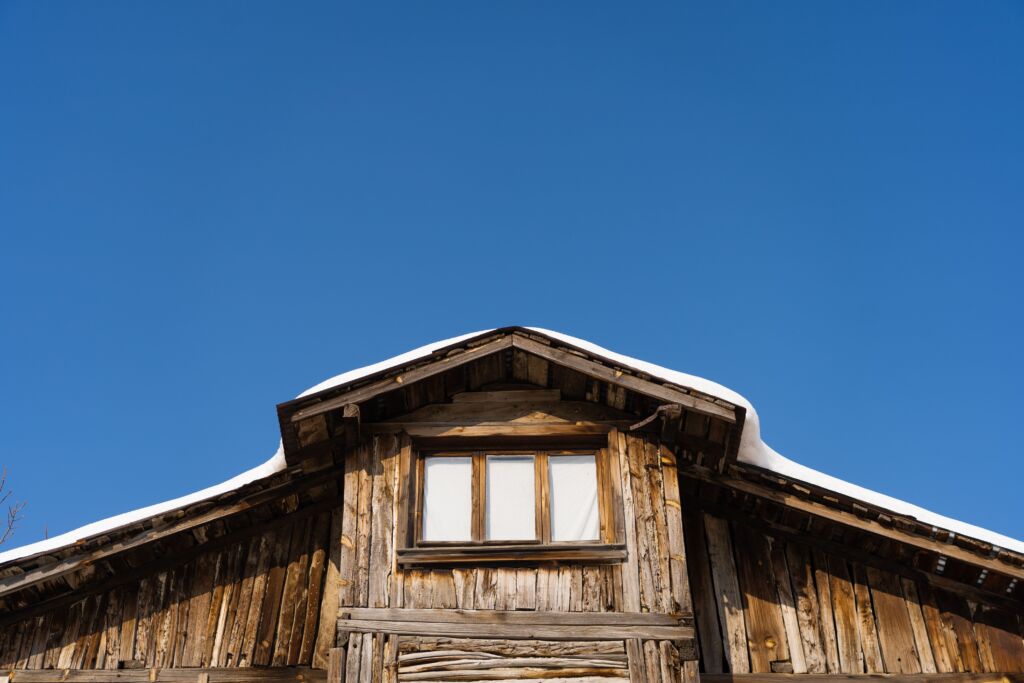
Before winter arrives, check the roof for leaks and any damage. Be sure to seal any gaps around doors and windows and ventilate the summer house regularly to reduce condensation.
If you’ve had one installed, use a thermostat rather than leaving heaters running continuously, and keep furniture slightly away from external walls to improve airflow. Smoke and carbon-monoxide alarms should also be installed where appropriate.
Remember that protecting your summer house from damp is just as important as keeping it warm, especially if you use it less frequently during winter!
If you use your summer house occasionally during winter, an infrared heater may provide enough warmth, while an electric panel heater is better suited to a room that is used regularly. An oil-filled radiator is handy because it’s easily portable, whereas an air-source heat pump is a more permanent option that needs professional involvement for installation; however, it gives you that year-round comfort.
Whatever you choose, learning how to heat a summer house successfully starts with preventing warmth from escaping rather than simply purchasing the most powerful heater.
If you are planning a summer house or garden room that can be enjoyed throughout the year, get in touch with us at Vale Stables! We create bespoke timber buildings tailored to your available space, perfect to enjoy all year round.
